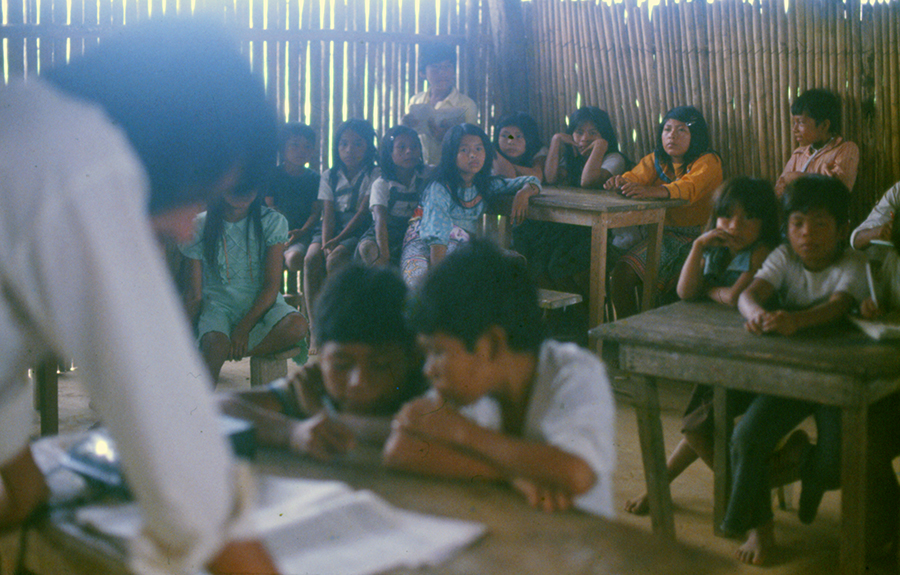
The number of indigenous peoples in Peru exceeds 9.2 million, yet not much is known about their heritage, language, land and contribution to humanity. Instead, they carry the burden of social injustices, destruction of ancestral traditions and territories, all due to oil spills and illegal exploitation of land. The loss of natural resources not only has contributed to the disappearance of indigenous communities, but to an unfair disadvantage in the fight against
corporations and climate change. This, therefore, demands an urgent need to empower indigenous peoples through education. Dr. Manuel Ibanez, the founder of Habitat Pro Association and a prominent geographer, and Gladys Silva, organization’s President and a specialized psychologist, started a research aiming to solve a small but significant portion of the world’s biggest problem, illiteracy. The study has been designed to determine accurate and updated
information about education and its correlation to the impacts of oil spills, furthermore, the sociological and psychological immediate impacts. Habitat Pro’s ground-breaking initiative will empower new generations in hard-to-reach societies in Peru.
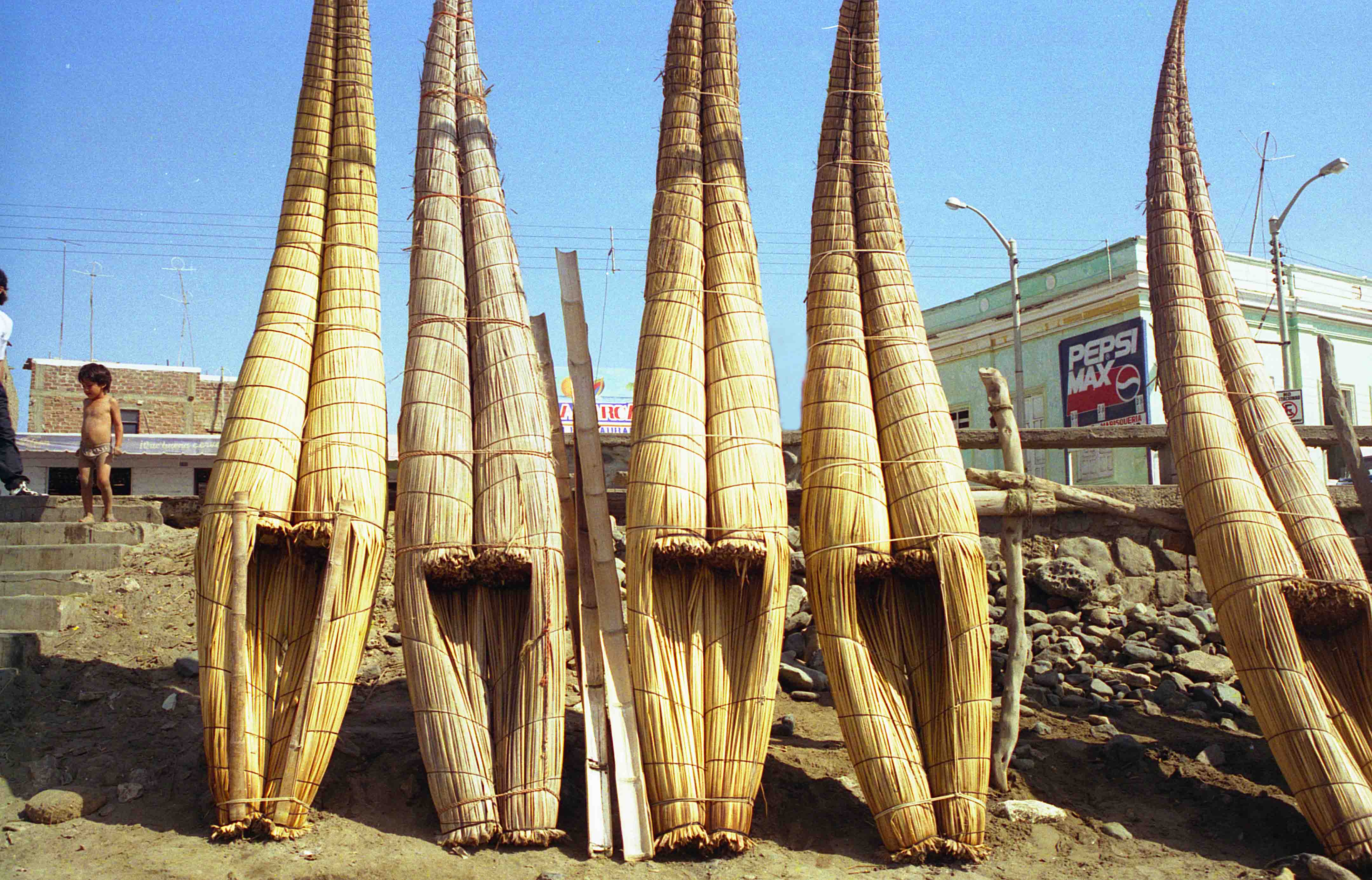
Huanchaco has been characterized as a fishing village of totora rafts used for fishing at sea. Scenes depicting this style of fishing were recorded in the ceramics of indigenous peoples of Peruvian coast about one thousand years ago. The fishermen used the wetlands for cultivation of totora, a type of reed plant, which provided materials to make their raft. Being an emblem of the Peruvian state, Huanchaco generates significant
income through tourism. The land dealers, entrepreneurs, private operators and the state have been enriched with the goodness of this geographical setting. The Chimu people have lost their living space to illegal occupations and garbage dumps in the wetlands. This greatly affects the growing pools for their totora which are the identity of Chimú Moche people of Huanchaco. Historical source of the Recovering totora ponds
provides medicinal resources, fishing, fodder for poultry and livestock and materials that allow the Chimu people to build their reed boats. These boats form the basis of Chimu fishermen’s livelihood, enabling them to fish in the sea and cater to tourists.
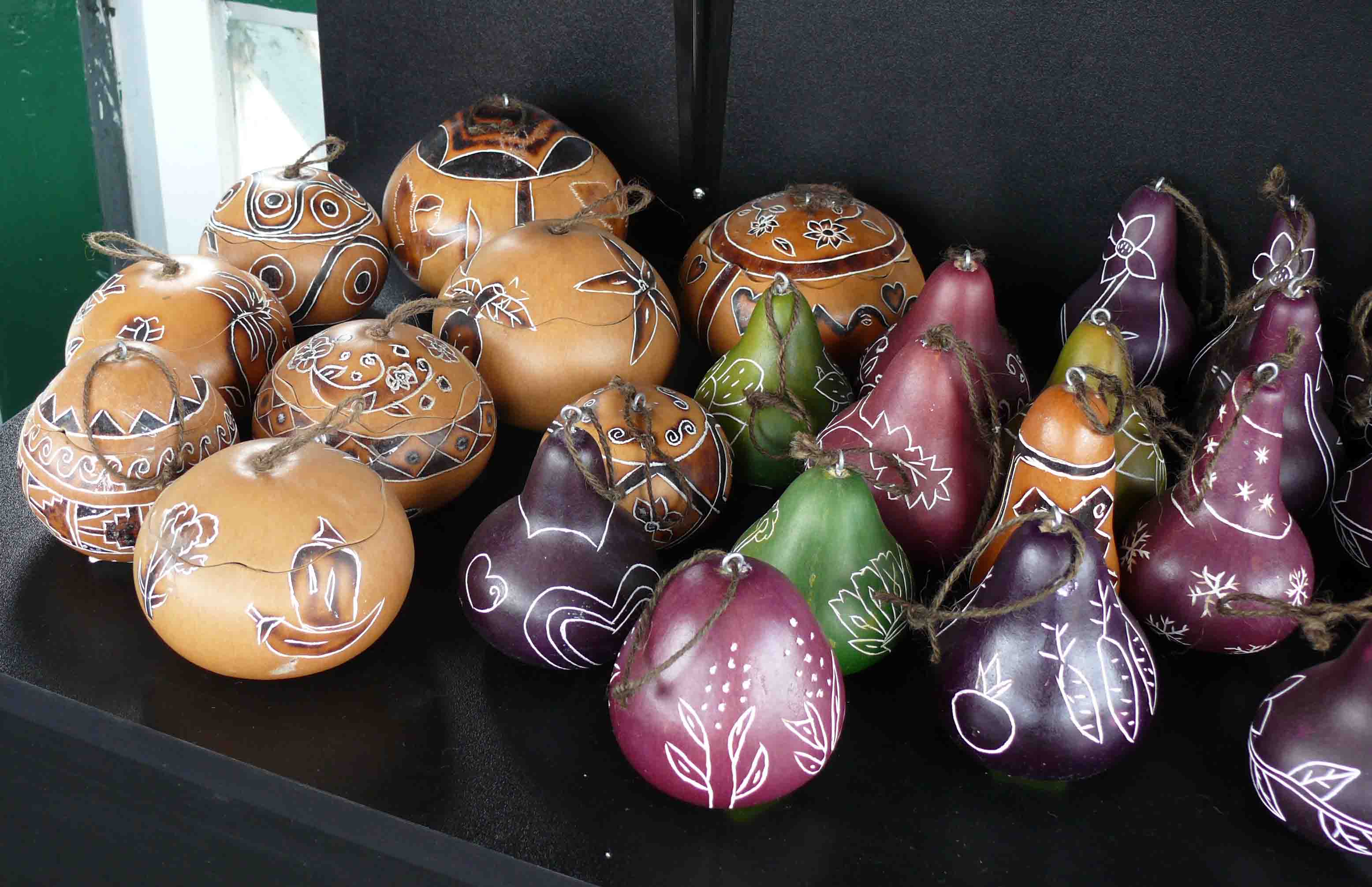
The Mate Burilado, a dried pumpkin decorated with a multitude of human figures and a profusion of geometrical patterns, is the most popular craft, which was developed by the Indigenous Peoples on the coast and the Andes. This cucurbitaceous (Lagenaria vulgaris) or squash (Bottle Gourd) is grown mainly in low and hot areas of the Peruvian coast. During the colonial period, the production was reduced by the presence of similar imported items.
The public education and government agencies in the region have no programs to stimulate and perpetuate the identity of the Chimú people. This practically is condemning their legacy of art, and their culture may disappear forever. By establishing a Center of the Mochica-Chimú Art of Huanchaco this project aims to preserve the crafts, music and dances, including strengthening skills of young indigenous peoples in the manufacture of the ancient metal
objects, ceramics, wood, cotton cloth, wool and manufacturing of cattail or reed ponds. These skills will enhance the presentation of traditional festivals, encourage self-esteem of beneficiaries.